
Global markets have always been influenced by economic forces beyond individual companies. But in recent decades, macroeconomic events—such as energy shocks, trade policy, and geopolitical conflict—have played an increasingly central role in shaping market behavior. For investors, this shift reinforces an important truth: long-term success depends less on reacting to headlines and more on maintaining disciplined asset allocation aligned with long-term goals.
Over the past year and a half, two macro drivers have dominated market conversations: conflict in the Middle East and evolving U.S. tariff policy. While these forces can create short-term volatility, history shows their influence on markets tends to fade over time.
OPEC, Energy Prices, and the Changing Global Oil Market
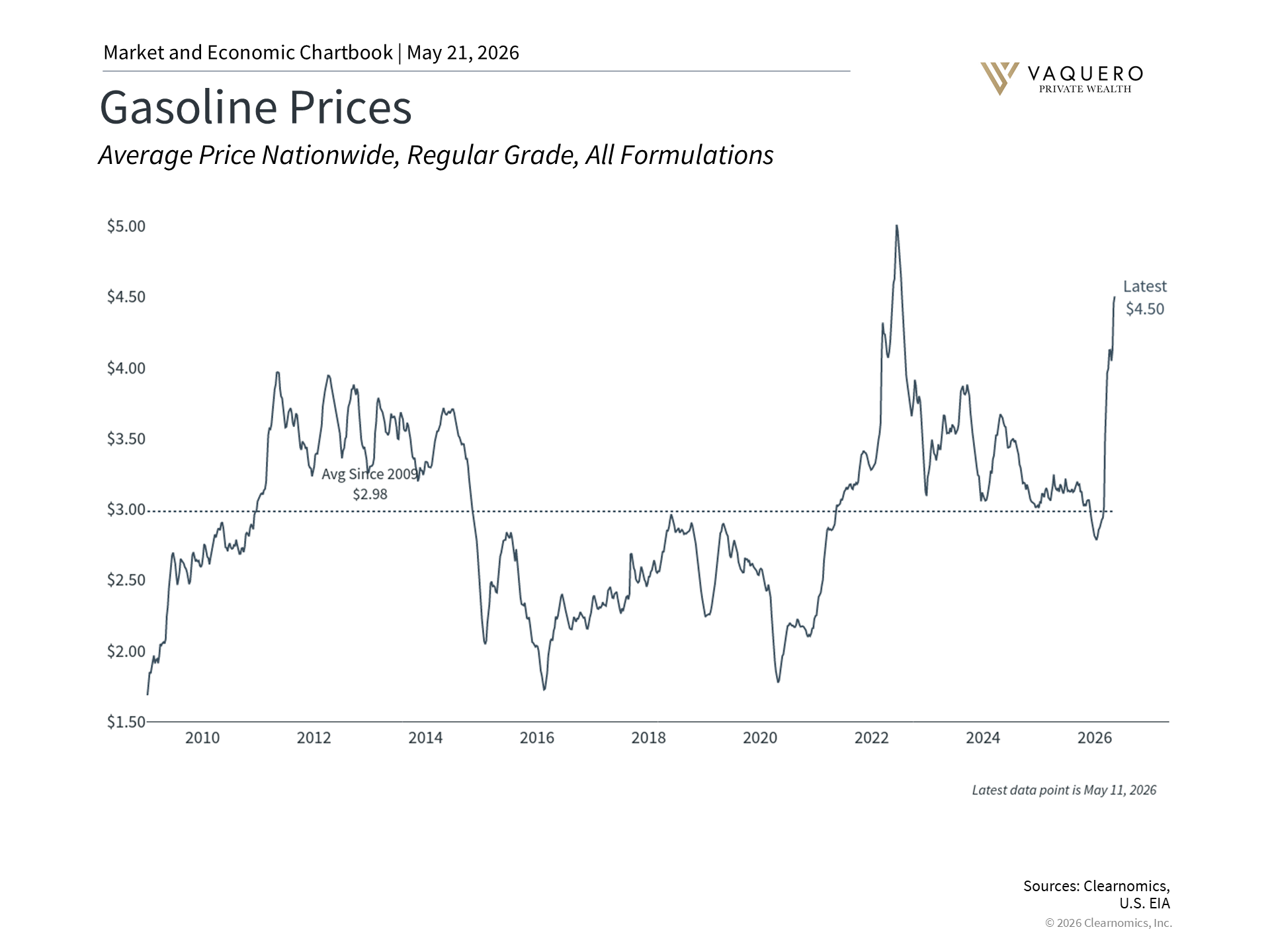
Rising gasoline prices have been one of the most visible effects of geopolitical conflict, contributing to higher inflation and increased household costs. Energy prices flow directly into inflation measures, complicating an economic environment that had previously been improving. Alongside these pressures, understanding how macro trends affect portfolio balance — from interest rates to sector leadership — can help investors maintain perspective across cycles.
Unlike past oil shocks, today's energy market is more resilient. The United States is now the world's largest oil producer, reducing dependence on global supply disruptions and lowering overall economic sensitivity to geopolitical events.
The declining influence of OPEC further illustrates this shift. While the cartel once controlled roughly half of global oil supply, its share has fallen significantly, limiting its ability to dictate prices even during periods of conflict.
Tariff Policy, Legal Challenges, and Economic Impact
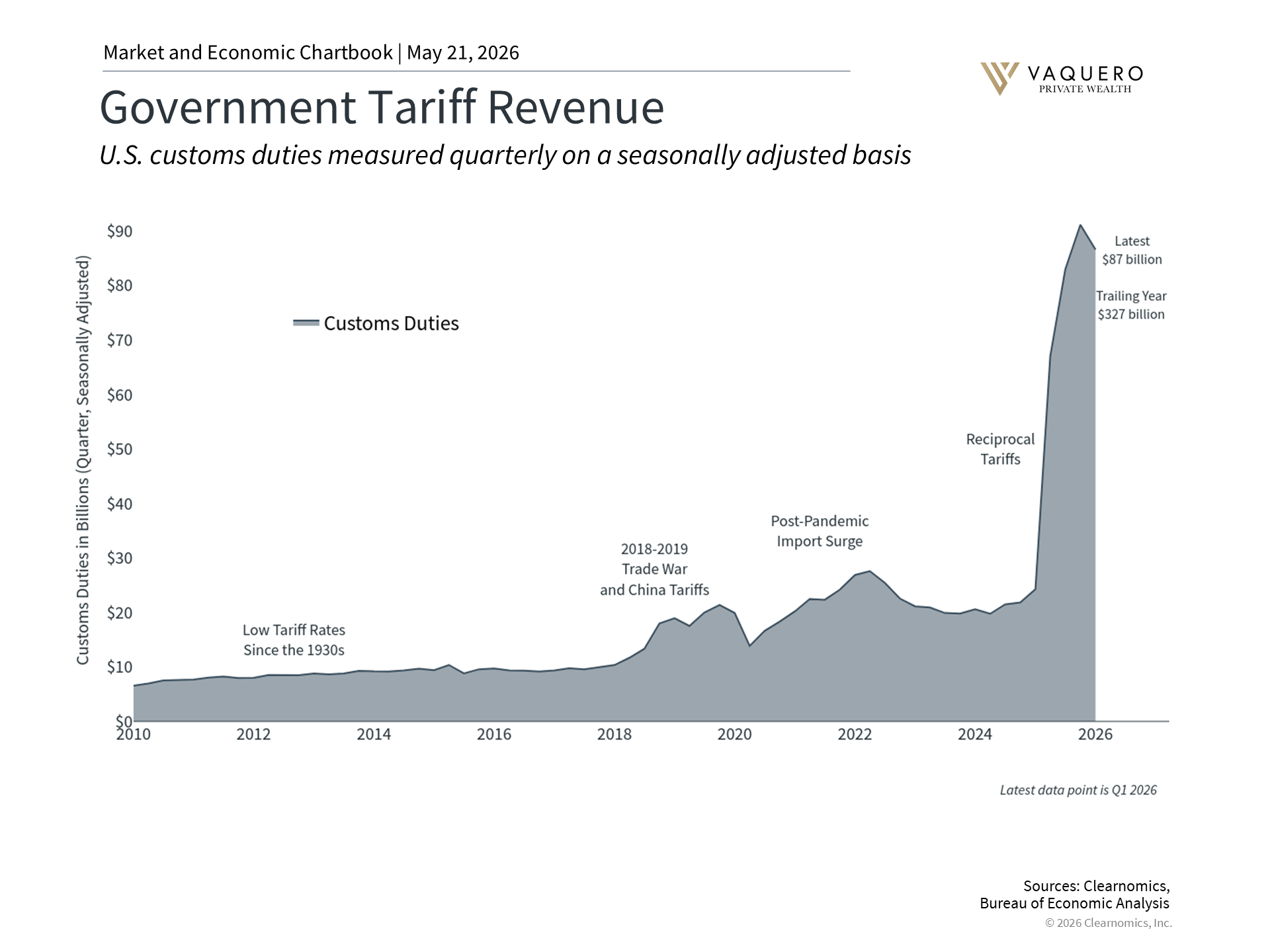
Tariffs have been another major macroeconomic force shaping market sentiment. Recent court rulings have challenged the legal authority under which several tariff programs were enacted, forcing policymakers to explore alternative approaches.
At the same time, the refund process for previously collected tariffs is underway. While these refunds represent the return of prior payments rather than new economic gains, they may provide near-term support for business cash flow and consumer demand.
Why Markets Continue to Reach New Highs
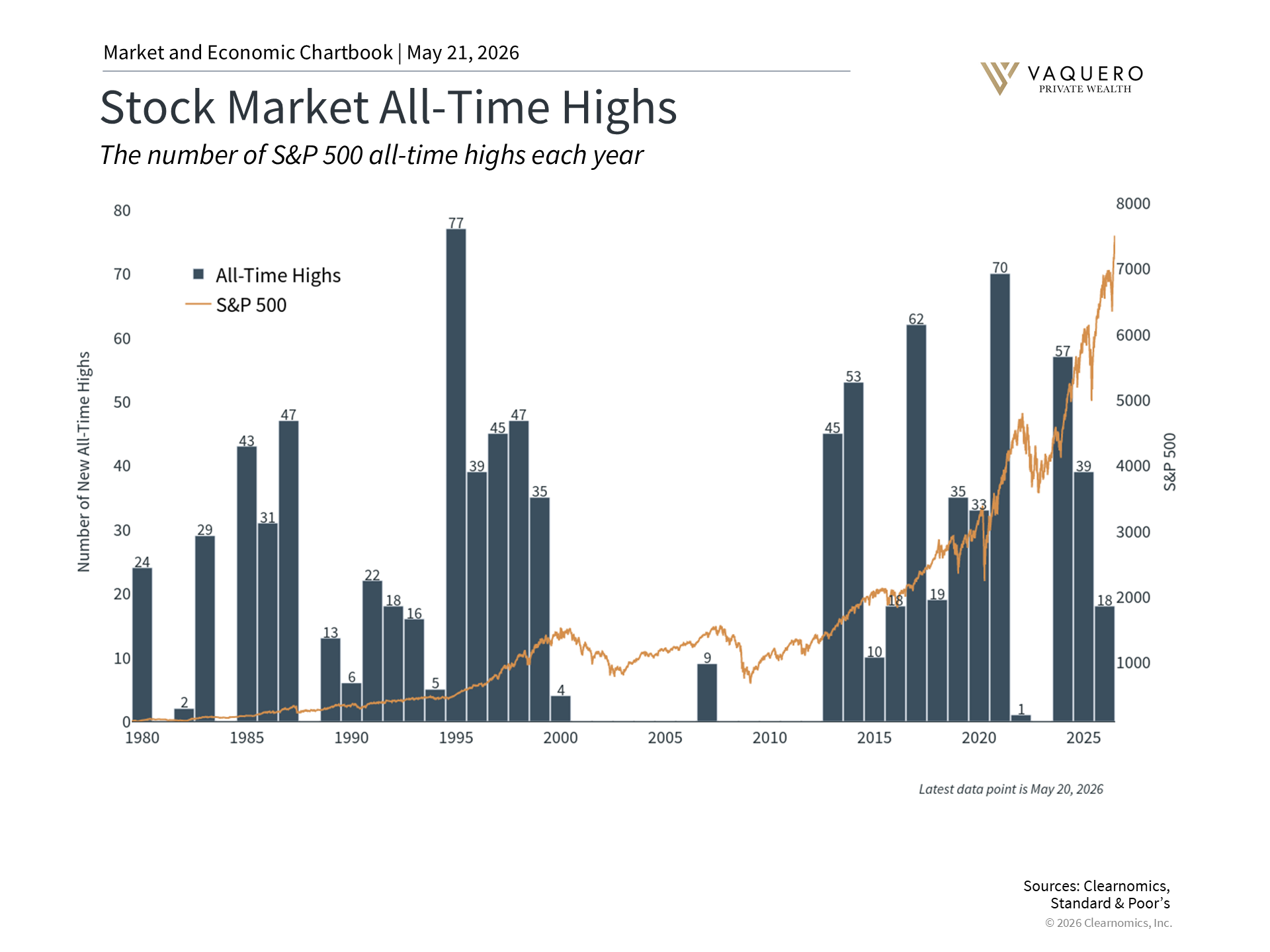
Despite uncertainty around geopolitics, energy prices, and trade policy, equity markets have continued to reach new all-time highs. This pattern reflects a recurring historical reality: markets often advance even amid persistent uncertainty.
Over time, fundamentals such as earnings growth, innovation, and economic expansion—not short-term headlines—have driven long-term returns.
The Bottom Line for Long-Term Investors
Global macro forces tend to come and go. Energy shocks fade, trade policies evolve, and headlines change. What remains constant is the importance of maintaining a well-constructed portfolio aligned with long-term financial objectives. For families with multi-generational wealth, advanced estate planning strategies provide the structural foundation for transferring wealth intentionally across generations.
For investors, staying disciplined and focused on long-term strategy remains one of the most effective ways to navigate uncertainty.