
For many families, accumulated wealth represents far more than financial assets—it reflects decades of effort, values, and long-term aspirations. Yet one of the most consequential questions in financial planning is not how wealth is grown, but how it is transferred efficiently and intentionally to future generations.
Advanced estate planning addresses this challenge by coordinating legal, tax, and legacy considerations to help ensure that wealth reaches the right people, at the right time, and in the most tax-efficient manner possible.
Building the Right Framework for Wealth Transfers

Every estate plan begins with three foundational questions: what assets are being transferred, who will receive them, and when transfers will occur. The answers shape which planning tools are most appropriate.
Liquid assets such as cash and publicly traded securities are generally easier to transfer, while real estate, closely held businesses, and alternative investments introduce valuation, liquidity, and governance complexities that require additional planning.
Timing also plays a critical role. Lifetime gifting strategies, including the use of annual gift exclusions, allow families to gradually reduce taxable estate value while maintaining greater control over distributions.
Estate Planning Strategies Aligned With Specific Goals
Effective estate planning aligns transfer techniques with clearly defined objectives. Common strategies include:
Reducing the taxable estate: Irrevocable trusts, such as Grantor-Retained Annuity Trusts (GRATs), can transfer future appreciation to heirs while minimizing estate tax exposure.
Philanthropic planning: Charitable Remainder Trusts (CRTs) allow families to support charitable causes while generating income and managing capital gains on highly appreciated assets.
Business succession: Buy-sell agreements, key-person insurance, and Family Limited Partnerships (FLPs) help manage ownership transitions, liquidity needs, and continuity for family businesses. For families in or approaching a transition, our post-liquidity planning considerations outline the key steps for the critical first 90 days.
Estate Planning as a Continuous Process
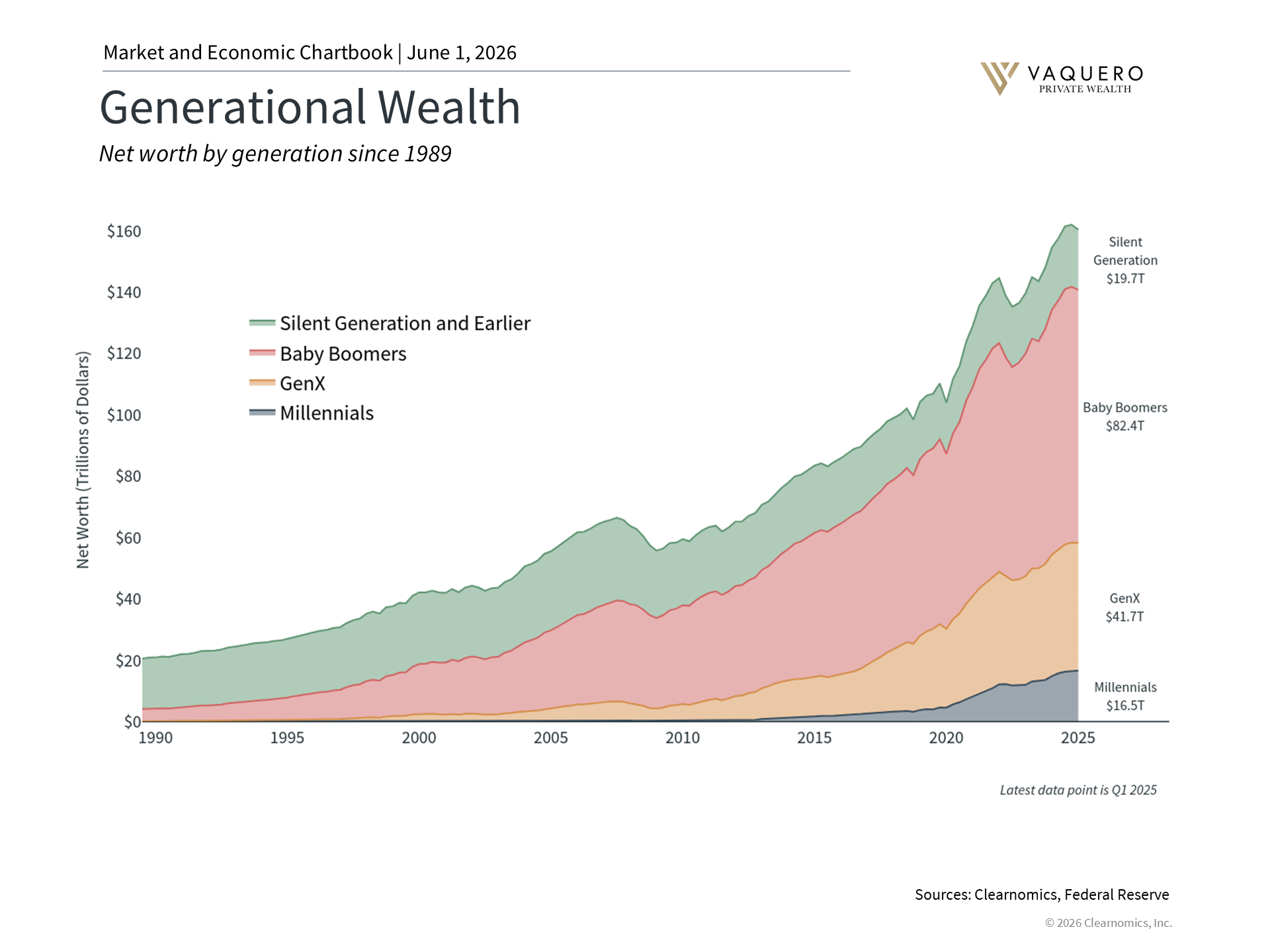
Estate planning is not a one-time event. Family circumstances evolve, tax laws change, and wealth often spans multiple generations. Regular reviews help ensure that plans remain aligned with current goals and regulatory environments.
For families planning across generations, tools addressing generation-skipping transfer considerations can further enhance tax efficiency while preserving long-term legacy objectives. New federal savings vehicles such as Trump Accounts for children may also complement existing gifting and education strategies within a coordinated multi-generational plan.
The Bottom Line
Advanced estate planning requires a coordinated, long-term approach. By integrating tax efficiency, asset protection, and legacy goals, families can preserve wealth and create clarity across generations.
This commentary is provided for informational purposes only and does not constitute investment advice.